
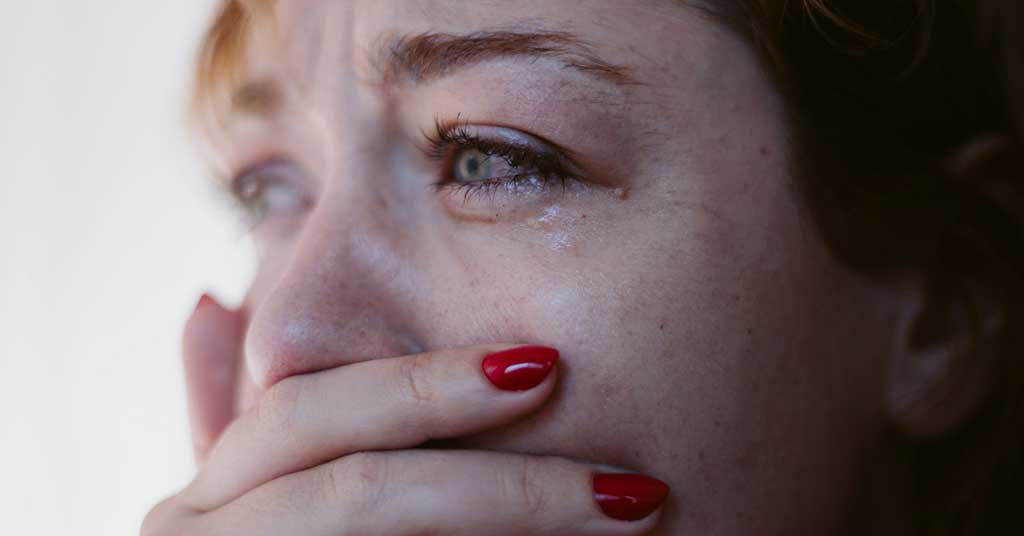
The pressure to mourn the “right” way can make people question the very relationships they cherished
When someone we love dies, we expect to grieve. We expect sadness, tears and an overwhelming sense of loss. But what happens when those feelings aren’t as strong as we imagined they would be?
A friend once told me about a man who had lost his wife of 20 years. Publicly, he seemed to be doing okay. Privately, however, he was struggling with something he found difficult to admit.
He didn’t seem to miss his wife as much as he thought he should. And that troubled him enough to question whether he’d really loved her.
Is there a right or wrong way to grieve? To mourn? Does a lack of emotion suggest a lack of caring?
I think we’re asking the wrong questions. We’ve somehow developed the idea that the more deeply we love someone, the more devastated we should be when they’re gone. But why should the suffering that follows a relationship tell us more about its value than the love, companionship and kindness that filled it?
Grief is deeply personal. How we respond can depend on the relationship we shared, the circumstances of the death and what we’ve already been through in life.
Some people are overwhelmed by sadness immediately after a death. Others experience numbness, disbelief or even a sense of relief, particularly if their loved one endured a long and difficult illness.
Think about someone who has spent months or years watching a spouse slowly deteriorate. Grief doesn’t always begin when someone dies. Sometimes it begins when illness takes away the companionship, shared activities and future we expected to enjoy together. By the time death comes, some of that grieving may already have taken place.
And sometimes, alongside the sadness, comes relief.
Relief that the suffering has ended. Relief that the constant worry is over. Perhaps even relief that the exhausting demands of caregiving have finally stopped.
Then comes the guilt. How can I possibly feel relieved when someone I love has died?
But being relieved that a difficult experience is over doesn’t mean we’re glad the person is gone. Nor does it diminish the love we felt for them.
When my friend’s father lost his wife of 50 years, he put on a brave face. He was sad, but tried to remain cheerful.
Then, about eight months after his wife passed, his beloved puppy had to be put down, nearly destroying him.
Was he finally experiencing some of the grief he hadn’t expressed after his wife’s death? Perhaps. Or perhaps losing the puppy was simply another painful loss at a particularly vulnerable time.
We can’t always explain why one loss brings us to our knees while another leaves us outwardly composed. And we certainly can’t judge the importance of a relationship by comparing those reactions.
Maybe some of this goes back to childhood. We lose a favourite blankie, a school pal moves away or our beloved pet gerbil is found legs up in its cage one morning.
Sometimes adults dismiss these losses because they seem insignificant. “Dry your eyes like a big boy,” we tell them. Or, “Stop crying, or I’ll give you something to cry about!”
Without intending to, we may be teaching children that sadness should be hidden. Those lessons can influence how openly we express grief as adults.
Some people cry openly. Others prefer privacy. Some need to talk about the person they’ve lost, while others find comfort in familiar routines or keeping busy.
None of these responses tells us how deeply someone loved.
And grief doesn’t follow a predictable schedule. We may feel devastated one morning and genuinely happy that afternoon. We may laugh with friends, enjoy a holiday or discover that life still holds considerable pleasure.
Then, without warning, a familiar song or an empty chair at the dinner table may bring tears.
Sometimes grief becomes so overwhelming that we struggle to manage everyday life. Talking with a doctor or counsellor can help. But grief is a normal response to loss, and we shouldn’t assume that someone who isn’t openly grieving has something wrong with them.
Yet we often make grief harder by imposing expectations on ourselves. We think we should cry more, remember more, feel sadder or take longer to recover. We may even feel guilty when we catch ourselves enjoying life again.
When those thoughts creep in, try thinking about the relationship rather than your reaction to losing it. Remember how you treated each other, the life you built together and the ordinary ways you expressed your love. Those memories will tell you far more about your relationship than how many times you’ve cried since the funeral.
And why should happiness make us feel disloyal to someone we’ve loved?
Give yourself permission to enjoy the things you used to enjoy. Accept an invitation to dinner. Take a walk with a friend. Return to a favourite hobby. You don’t have to wait until you feel you’ve grieved enough before allowing yourself to enjoy life again.
Moving forward doesn’t mean leaving that person behind. We can remember the good times, continue traditions we shared and carry their influence into whatever comes next.
The love doesn’t disappear simply because life continues.
We sometimes expect other people to grieve the way we would. If they don’t seem sad enough, we worry that they’re keeping too much bottled up. But what if they’re simply grieving differently?
Rather than trying to draw out emotions they may not be feeling, we can offer companionship and practical help. Instead of saying, “Call me if you need anything,” try saying, “I’m going grocery shopping tomorrow. Can I pick something up for you?” Or invite your friend for coffee next Tuesday.
Small, specific offers are easier to accept than a general promise to help. And if your friend declines, don’t take it personally. Ask again another time.
If they want to talk about the person they’ve lost, listen. If they don’t, respect that too. And don’t assume that because someone appears to be doing well, they no longer appreciate your company.
If you’re wondering whether you’ve grieved enough, think instead about the years you spent together. The laughter, the disagreements, the ordinary conversations, the small kindnesses and the countless moments that made the relationship what it was.
Surely those experiences tell us more about the love two people shared than the number of tears shed after one of them dies.
You may be numb. You may be stoic. You may suddenly feel overwhelming sadness or very little at all. And what you feel today may be quite different from what you feel tomorrow.
Feel what you feel. Take your time. There’s no rush.
You don’t have to prove how much you loved someone by how much you suffer when they’re gone.
Explore more on Grief, Relationships, Psychology
The views, opinions, and positions expressed by our columnists and contributors are solely their own and do not necessarily reflect those of our publication.
Troy Media empowers Canadian community news outlets by providing independent, insightful analysis and commentary. Our mission is to support local media in helping Canadians stay informed and engaged by delivering reliable content that strengthens community connections and deepens understanding across the country.

